
EasyPark - Parking made easy
EasyPark ASTravel & Local
4.7391.00 Reviews
- Version
- 26.32.3
- Installs
- 10.00M
- Age Rating
- Everyone
Screenshots
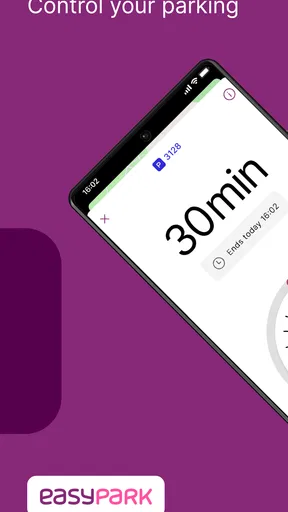
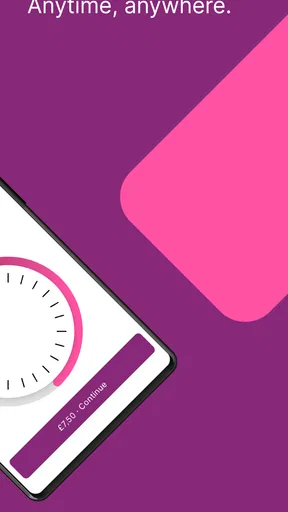
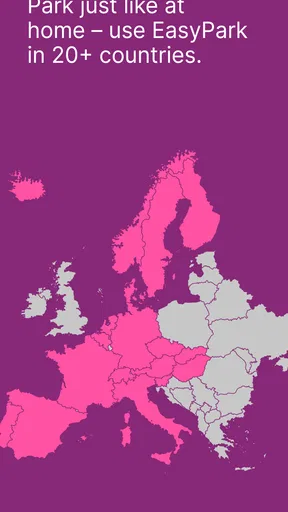
Our Review of EasyPark - Parking made easy
 Analysis by Appyee
Parking apps are easy to appreciate during the first stressful trip, but the real test is whether they remain useful when parking becomes an ordinary part of the week. I spent time looking at EasyPark from that angle: not just whether it can help me start a parking session, but whether it reduces small daily hassles without creating new ones. It is a free travel and local app from EasyPark AS, designed for street parking, garages, parking lots, and airports across more than 3,200 European cities.
My first impression is straightforward: this is most valuable when I want to avoid a parking meter, estimate how long I will stay, or finish a session without returning to the car. That convenience is not equally important in every location, though. If parking is already simple, clearly signed, and payable with a card at the entrance, the app may feel like an extra step rather than a solution. Its lasting value depends heavily on how often I park in places where mobile payment genuinely saves time.
From first-week convenience to a lasting parking habit
I judge a parking app by whether it still feels worth opening once the first few convenient sessions are behind me. Here, that depends less on learning the interface than on building a reliable check into my arrival routine: match the app’s location to the roadside signs before I walk away. That everyday habit sets up a closer look at how the app fits different needs and situations.
Why the first few uses feel immediately useful
The strongest early appeal is the reduction of friction at the moment I arrive. Instead of searching for coins, walking to a machine, or guessing whether I have chosen the right payment method, I can use the app as the central place for a parking session. That is particularly helpful when the weather is poor, when I am carrying shopping, or when I am late for an appointment.
A realistic example is a weekday visit to a busy town centre. I arrive with twenty minutes to spare, find a marked space, and do not want to leave the car unattended while looking for a meter. Opening the app, selecting the relevant parking area, and starting the session can be quicker than studying a machine beside the road. When the meeting runs longer than expected, the ability to deal with the session from my phone is more useful than a fixed ticket that forces me to predict the exact duration.
That flexibility is also the reason I would recommend it to people who regularly make short, unpredictable stops. A parent collecting a child, a tradesperson visiting several addresses, or someone moving between appointments may benefit more than a driver who parks once a month in one familiar place. The app becomes a practical routine rather than a novelty when it removes repeated decisions from the same kind of journey.
The broad coverage is another reason the first week can be convincing. EasyPark is built for use in many European locations rather than one single car park or one municipal system. I would still pay close attention to the local signs, because an app does not replace the rules displayed at the space. The useful habit is to check the zone or location carefully before confirming, especially in streets where nearby areas have different restrictions.
The small workflow choices that matter
One of my most useful observations is that the app works best when I treat it as part of the arrival routine, not as something I open casually after walking away. I check the street sign first, identify the parking area, and then compare that information with what appears on screen. This takes a little discipline, but it helps prevent the common mistake of selecting a nearby location that looks plausible yet follows different rules.
I also prefer to start with a realistic estimate instead of choosing an unnecessarily long stay. The practical advantage of mobile parking is not simply avoiding cash; it is being able to manage the session around the actual visit. That makes the app especially suitable for errands with uncertain timing, while a conventional ticket can still be more comfortable when I know exactly how long I will remain.
Another non-obvious benefit is mental rather than technical. Once the parking session is active, I do not have to keep a paper ticket visible or remember which machine accepted payment. That can make a difference during a crowded day. However, I would not rely on memory alone: I still verify that the session has started and that the selected vehicle and location are correct before leaving the car.
The app is free to download, carries an Everyone age rating, and supports devices running Android 8.0 or later. Those details make it accessible to a wide range of phone users, although the experience still depends on having a suitable device, a working connection at the relevant moment, and enough battery to manage the session. Those are ordinary realities of phone-based parking, but they matter more when the app is replacing a physical meter.
What remains valuable after the novelty fades
After the first week, the question changes from “Can this save me time?” to “Will I remember to use it every time?” For me, the answer depends on the parking environment. In cities where I frequently encounter supported streets, garages, or lots, the app has recurring value because it turns a repeated payment task into a familiar sequence. In a place with only occasional supported parking, I may forget the workflow and return to whatever payment method is already in front of me.
The app’s scale suggests that this routine works for many drivers: it has passed ten million installs and holds a 4.7 average from roughly 671,000 ratings. Those figures do not guarantee that every local parking area will feel equally smooth, but they do indicate that this is an established service rather than a short-lived experiment. I find that reassuring when choosing an app I may need during travel.
Its month-to-month value comes from repetition. I can use the same general approach when parking for a quick appointment, spending several hours in a city, or leaving a car near an airport. That consistency is more important to me than flashy extras. A parking app earns a permanent place on my phone when I no longer need to rethink payment each time I visit a different destination.
There is also a useful trade-off between control and attention. Mobile management can be convenient, but it asks me to pay attention to the session and the local conditions. A physical ticket is visible and tangible; an app-based session is easier to overlook if I close the app and rush away. I therefore see EasyPark as a tool that rewards a short confirmation habit rather than completely removing responsibility from the driver.
Where it beats the usual alternatives
Compared with paying coins at a roadside machine, the app is more convenient when I do not have the right change or when the machine is inconveniently placed. Compared with a card terminal, it can be more flexible for stays whose length is uncertain. Compared with a paper ticket, it is less dependent on keeping that ticket visible and intact. These advantages are practical, not revolutionary, but they add up for frequent urban parking.
The comparison is less favourable when a car park already has a fast, well-designed barrier payment system. In that situation, I may prefer to take a ticket or tap a card because the process is obvious and does not require me to identify a zone on my phone. I would also be cautious about switching between several parking apps in the same city. If local authorities or operators use different systems, the benefit of one familiar app can be reduced by the need to remember which service applies where.
EasyPark is therefore not automatically the best choice for every parking situation. It is strongest as a broad, repeatable option for people who move between supported locations. It is less compelling for drivers who mainly use one private garage, rarely park in cities, or prefer physical payment because they do not want parking to depend on a phone.
The maintenance burden is low, but not zero
One reason I can imagine keeping this app installed is that its maintenance burden is modest. I do not need to learn a complex system, and the current version is 26.32.3. The main upkeep is behavioural: keeping my account and vehicle details accurate, checking the chosen parking area, and remembering to end or manage a session when my plans change.
That last point is important. The app can make an active parking session easier to handle, but it cannot decide whether I have parked legally or whether a particular space is available for my vehicle. Signs, time restrictions, permits, loading rules, and local exceptions still require attention. I see the app as a payment and session-management layer, not as a substitute for reading the street.
Phone dependence is another maintenance concern. A low battery, poor reception, or a forgotten login can turn a convenient method into a stressful one. My practical workaround is simple: I avoid waiting until I have walked far from the car, and I keep a backup payment method available when parking somewhere unfamiliar. That does not undermine the app; it reflects the difference between digital convenience and guaranteed access.
Updates can also change the feel of any everyday utility app. EasyPark’s current version shows that the service is maintained, but maintenance from the developer does not remove the need for me to notice interface changes. A button may move, a location may be presented differently, or a confirmation screen may require a slightly different check. For a rarely used app, that learning cost can be annoying. For a regular driver, it is usually minor.
Sources of fatigue during repeated use
The biggest source of fatigue is not starting a session; it is the attention required to make sure every detail is right. When I am tired or in a hurry, selecting the wrong nearby area is more likely. This is why I would never treat the map or search result as permission to park. The sign beside the vehicle remains the final reference, and the app should match it before I confirm.
Another possible irritation is the mental overhead of using an app for a task that traditionally took a few coins or a card tap. If I park in the same place for a fixed period and the machine is directly beside me, the digital route may feel unnecessary. The more predictable the parking situation, the less valuable flexibility becomes.
There is also a social and practical issue when someone else is driving the car. If a family member or colleague uses the vehicle, the person who starts the session must know the exact location and duration. That can be less convenient than handing over a paper ticket. For shared cars, I would establish a clear routine before relying on the app, rather than assuming another driver will understand it under pressure.
Travelling across cities can create a different kind of fatigue. Broad European coverage is helpful, but local parking rules still vary. I may need to interpret unfamiliar signs, identify the correct area, and make sure the app is accepted at that specific location. The service reduces payment friction, but it does not eliminate the need for local awareness. That distinction is easy to forget when the interface feels familiar.
Who should keep it installed
I think EasyPark is a strong match for city residents, frequent visitors, and travellers who often use street parking or mixed parking facilities. It is particularly useful for anyone whose stops regularly run longer or shorter than planned. People who dislike carrying coins, who often arrive in bad weather, or who move between many European destinations are likely to notice the benefit quickly.
I would also recommend it to drivers who want one repeatable parking routine instead of learning a new machine at every destination. The value is not only speed. It is the reduced uncertainty of knowing where to begin, what to check, and how to manage a session from the phone. That routine becomes more valuable with repeated use.
On the other hand, I would skip it if I almost always park at a workplace, home, or single garage with a simpler established method. I would also hesitate if I dislike phone-based payments, regularly drive with a nearly empty battery, or find local parking signs confusing enough that an additional digital step would increase mistakes. In those cases, a clearly marked meter or direct card payment may be the better experience.
My long-term verdict
EasyPark earns lasting space on my phone when parking is a recurring urban problem rather than an occasional errand. Its first-week appeal comes from immediate convenience, but its stronger quality is repeatability: the same basic approach can follow me through streets, garages, lots, and airport parking in many European cities. That makes it more useful over time than a single-location payment tool.
It is not completely effortless. I still need to read signs, confirm the location, watch the session, and keep my phone ready. Those responsibilities are the main limitations, and they become more noticeable when a physical payment option is already quick. The app also cannot make an unsupported location convenient simply because I have installed it.
Still, I would keep it installed. The combination of free access, broad intended coverage, an Everyone rating, and a mature user base makes it a sensible everyday option for the right driver. EasyPark does not transform parking into an enjoyable activity, but it can make a repetitive chore less disruptive. My recommendation is to use it as a dependable parking routine, while keeping the local sign and a backup payment method as the final safety checks.
That balance is what gives it staying power after the novelty disappears. I would not open it just to replace a perfectly simple card tap, but when I arrive somewhere unfamiliar, need flexibility, or want to avoid a meter, it has a clear job. For frequent urban parking, that is enough to justify keeping EasyPark ready for the next trip.
Verdict
Strengths of EasyPark - Parking made easy
- Find and pay for parking directly from your phone.
- Extend parking time remotely without returning to your vehicle.
- Receive reminders before your parking session expires.
- Available in many cities and parking zones across Europe.
- Digital receipts make it easier to track parking expenses.
Limitations of EasyPark - Parking made easy
- Coverage and features vary significantly between cities and parking areas.
- A service fee may be added to the local parking charge.
- Requires mobile data or Wi-Fi to start and manage sessions.
- Incorrect zone selection can result in fines from parking authorities.
- Some users may experience delays with location detection or payment processing.
Similar Picks in This Category
View All
Google Maps
Google LLC3.4

Google Maps Go
Google LLC4.1

Booking.com: Hotels & Travel
Booking.com Hotels & Vacation Rentals4.8

Google Earth
Google LLC3.8

Skyscanner Flights Hotels Cars
Skyscanner Ltd4.8

trivago: Compare hotel prices
trivago N.V.4.4
Frequently Asked Questions
What is EasyPark, and how does it work?
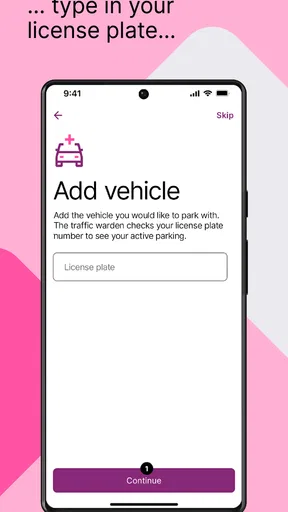
EasyPark is a mobile parking app that helps you find, start, extend, and stop parking sessions from your Android or iOS device. After creating an account, you select the parking area, choose how long you expect to stay, and confirm the session. In supported locations, the app uses your vehicle and payment details to make parking more convenient without relying on a traditional parking meter.
Is EasyPark available in every city and parking location?
No. EasyPark coverage depends on the country, city, parking operator, and specific parking zone. Before downloading or relying on the app, check the map or official EasyPark coverage information for your location. Even in a supported city, some streets, private car parks, permits, or restricted areas may not be available through the app, so always verify the signs and zone number before starting a session.
How much does EasyPark cost to use?
The total cost normally includes the local parking fee and, depending on your country or plan, a service or transaction fee charged by EasyPark. Prices and fee structures can vary between locations, account types, and promotional offers. The app generally displays the expected cost before confirmation, but users should review the final amount, applicable taxes, and any minimum charges shown for their parking zone.
Can I extend or stop an EasyPark parking session early?
In many supported parking areas, EasyPark lets you extend a session remotely when you need more time, helping you avoid returning to the vehicle or risking an expired stay. Some locations also allow you to stop a session early and pay only for the time used, while others apply fixed or minimum charges. The available controls depend on local parking rules, so check the session screen carefully.
What should I do if I enter the wrong vehicle, zone, or parking details?
Review every detail before confirming a parking session, especially the vehicle registration number and zone code. Entering incorrect information can result in an invalid session, a parking fine, or payment being assigned to another vehicle. If you notice a mistake immediately, use the app’s available editing or cancellation options. For problems that cannot be corrected in the app, contact EasyPark support and keep your receipt or session details.
